Journal
Selling a property on the Costa Blanca
Selling a property on the Costa Blanca is one of those decisions that looks simple from the outside and complicated from the inside.
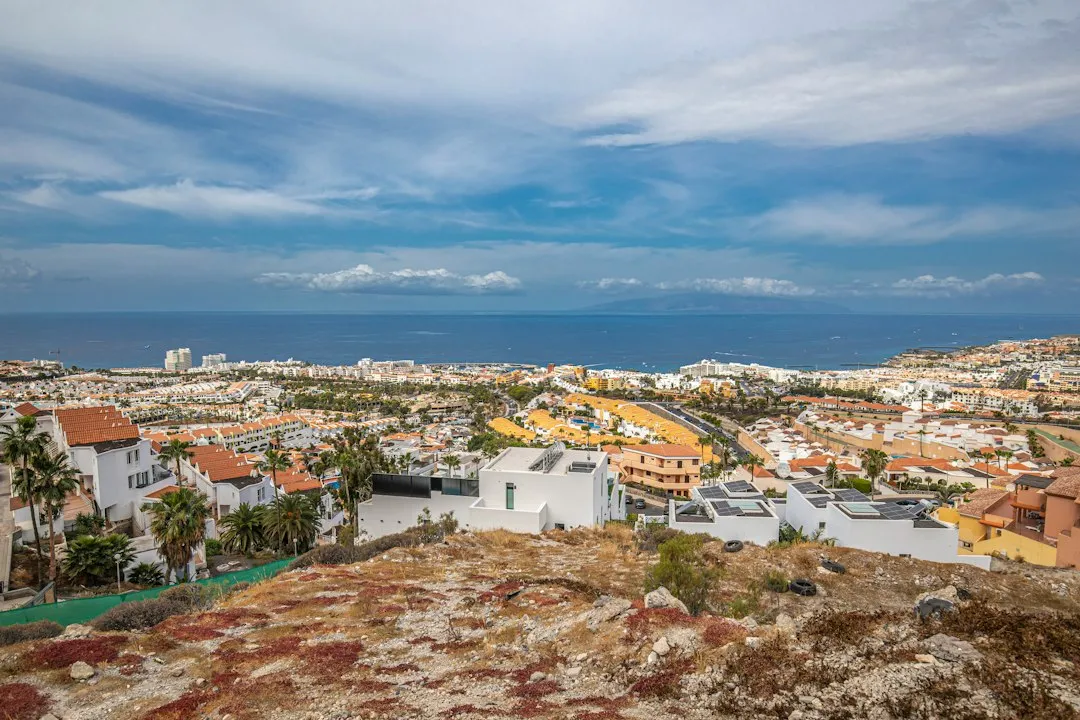
Photo by Erik Karits on Unsplash
Selling a property on the Costa Blanca is one of those decisions that looks simple from the outside and complicated from the inside. Most owners who come to us have already spent a year or two thinking about it, and by the time they pick up the phone they have a head full of questions: is now the right moment, what is my home actually worth, who is buying, and how long will it all take? This post is a plain look at why the Costa Blanca remains one of the strongest places in Spain to bring a property to market, and what those advantages mean in practice for an owner rather than for a brochure.
The first and most obvious advantage is demand. The Costa Blanca stretches along the Mediterranean from Alicante down towards Murcia, taking in Torrevieja, Orihuela Costa, Guardamar del Segura, Santa Pola, Elche and the towns inland behind them, and it draws buyers from an unusually wide range of countries. British, German, Scandinavian, Belgian, Dutch, Irish and increasingly Polish and French buyers all have established communities here, and in recent years we have seen strong interest from buyers from further afield too. That matters to a seller because a broad buyer base means your property is not dependent on a single nationality's exchange rate, a single country's politics or a single airline route. When one market slows, another tends to take its place, and the enquiries keep coming across the year rather than in one narrow season.
The second advantage is that the Costa Blanca sells to two very different kinds of buyer at once. One is the lifestyle buyer: someone looking for a holiday home, a place near the sea, a pool, a short walk to a café, a view they can enjoy for two or three months a year and rent out or lend to family in between. The other is the relocating buyer: someone who has decided to live here year round, often after a trial winter, who cares much more about heating, insulation, easy access to a hospital, a supermarket that stays open in January and the practicalities of everyday life in Spain. Because both groups are active, and because they are looking for somewhat different things, there is usually a sensible buyer for a well-presented property at almost any point on the price scale, from a modest apartment a few streets back from the beach to a villa with a garden on the edge of town.
Third, the practical side of a sale here is well trodden. The legal process is clear and predictable when it is done properly: a reservation agreement, a deposit, a notary appointment, checks on the property at the land registry, and completion. Banks, notaries, lawyers and gestors on the Costa Blanca deal with foreign buyers every single day, and many of them work in English as well as Spanish. That means a sale to an overseas buyer, which sounds daunting on paper, is routine in practice. Owners who have sold property in other parts of Europe are often surprised by how straightforward it feels when the people around the table do this for a living.
Fourth, prices have been moving in a healthy, believable way. This is not the speculative market of the mid-2000s, and that is a good thing. Growth since the recovery has been steadier and more grounded in real demand, and buyers are generally better financed than they were then, with more cash purchases and more conservative borrowing. For sellers this means that realistic pricing tends to be rewarded rather than punished: a property priced sensibly against genuinely comparable homes in the same town will attract interest and offers, while an ambitious asking price simply sits and gets stale. The discipline of the current market is one of its advantages, because it rewards owners who prepare properly.
Fifth, presentation pays off more than ever. Buyers browsing through the major portals see dozens of properties a day, and most of them decide in the first three photographs whether to click. Good natural light, a clean and uncluttered room, a tidy terrace and an honest, well written description will do more for your final price than almost anything else you can spend money on. That is genuinely good news for sellers, because it is controllable. You cannot change where the house is, but you can absolutely change how it looks on the day it is photographed, and how clearly its story is told in words.
Finally, there is the simple matter of timing. The Costa Blanca has a long season of interest rather than a short one. Viewings peak in spring and autumn, when the weather is pleasant and travel is easy, but serious buyers search all year and online enquiries arrive in every month. Owners who list a little ahead of the peak, with photographs ready and paperwork in order, tend to catch the busiest weeks rather than miss them.
If you are thinking about selling, the most useful first step is not a decision but a conversation: a realistic valuation, a look at what has recently sold near you, and an honest view of what would need to change to get the best price. We are always happy to have that conversation with no obligation.